Uncanny X-Men
The Outback Era
1988–1990 • The Claremont/Silvestri Years
Uncanny X-Men #229–280
The Era
After the Fall of the Mutants, the world believed the X-Men were dead. Roma, guardian of the multiverse, granted them a second chance — invisible to electronic detection, the team relocated to an abandoned ghost town in the Australian Outback, seized from the cyborg mercenaries known as the Reavers.
This era was defined by isolation and darkness. Cut off from the world, operating in secret, the team faced threats that tested them like never before. The mysterious Gateway became their teleporter. The Siege Perilous loomed as both escape and doom. And slowly, the team began to fracture — culminating in tragedy and transformation.
The Team


Key Storylines
The X-Men seize the Reavers' Australian base, but Donald Pierce and his cyborg mercenaries return for revenge. This leads to the brutal crucifixion of Wolverine and one of the era's most harrowing sequences.
Madelyne Pryor, revealed as a clone of Jean Grey, becomes the Goblin Queen and unleashes demonic forces on New York. The X-Men face demons both literal and personal as dark secrets explode.
Roma gifts the X-Men a mystical portal — the Siege Perilous. Those who pass through are judged and reborn. As hope fades, team members begin stepping through one by one, scattering the X-Men across the globe.
The team fractures completely. Psylocke emerges transformed by the Hand. Rogue vanishes through the Siege Perilous. Wolverine is left for dead. Storm is de-aged to childhood. The Outback era ends in tragedy.
Rogues Gallery
Cyborg mercenaries led by Donald Pierce. Bonebreaker, Skullbuster, and Pretty Boy among them. They want their Australian base back — and mutant blood on the floor.
The mastermind behind the Madelyne Pryor clone. Obsessed with the Summers bloodline, his schemes echo throughout the era as his Marauders lurk in the shadows.
Madelyne Pryor, driven mad by revelation and abandonment, embraces demonic power. Her Inferno nearly consumes New York in hellfire.
The ninja clan captures Psylocke and transforms her into their ultimate assassin — Kwannon's body, Betsy's mind. A transformation that would define her for decades.
Character Spotlight
The Outback era pushed Logan to his absolute limits. The Reavers' crucifixion sequence remains one of the most brutal moments in X-Men history — and his escape, fueled by visions of Carol Danvers and Nick Fury, showcased his inhuman willpower.
- Crucified by the Reavers (#251)
- Escape and recovery with Jubilee
- Partnership with young Jubilee begins
Betsy Braddock entered the Siege Perilous and emerged... changed. Captured by the Hand, she was transformed into an Asian ninja assassin — a controversial change that would define the character for thirty years.
- Steps through the Siege Perilous
- Emerges as Lady Mandarin (#256)
- Battles Wolverine while brainwashed
Rogue struggled with Carol Danvers' psyche throughout this era, their personalities battling for dominance. Her journey through the Siege Perilous finally separated them — but at a terrible cost.
- Carol's psyche takes control
- Enters the Siege Perilous
- Emerges in the Savage Land, powerless
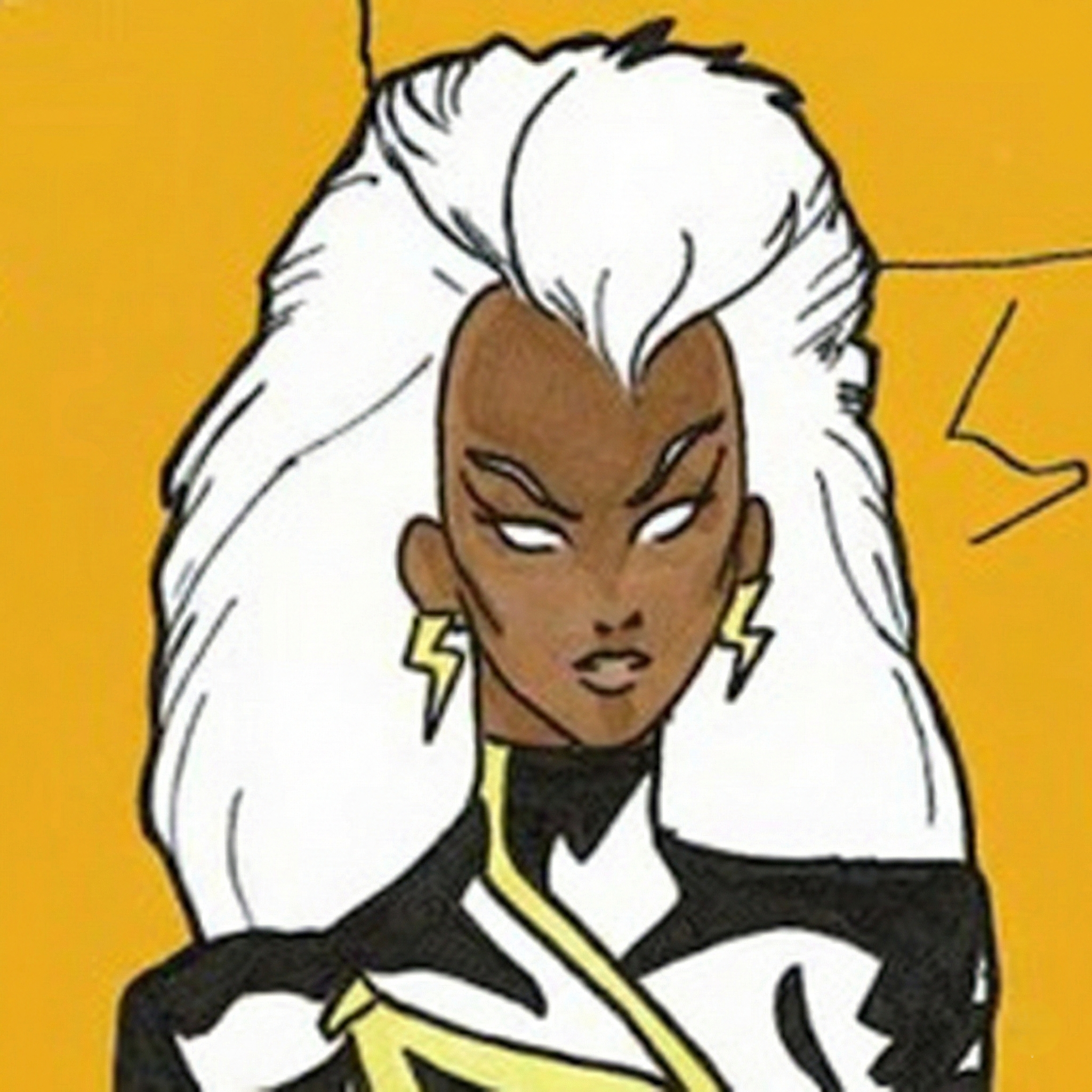
Ororo's leadership was tested constantly during the Outback era. When Nanny's technology de-aged her to childhood, she became a thief again on the streets of Cairo — eventually encountering a young Gambit.
- De-aged by Nanny (#248)
- Child thief on Cairo streets
- Meeting with Gambit
Iconic Covers
Marc Silvestri's dynamic artwork defined the visual language of this era. These covers captured the drama, the darkness, and the sheer spectacle of the Outback years.
This is where I discovered the X-Men. Not the bright, hopeful team from the animated series — but this darker, stranger version hiding in the Australian desert, invisible to the world, fighting battles nobody would ever know about.
I remember finding a beaten-up copy of Uncanny #251 at a flea market — Wolverine on that cross, the Reavers gloating. I had no idea what was happening, but I had to know more. That single issue sent me hunting through back-issue bins for months.
The Outback era taught me that heroes could suffer. That teams could fall apart. That stories didn't always have happy endings. Claremont and Silvestri created something special here — a run that still holds up decades later.